

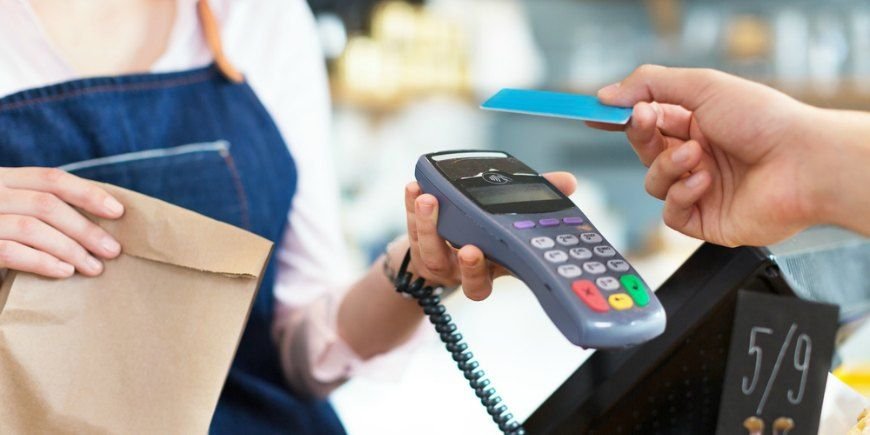
Digital payments have become an important part of modern business. Customers increasingly expect convenient ways to pay for products and services without relying only on cash.
For small businesses, offering appropriate digital payment methods can make purchasing easier and can help businesses manage transactions electronically.
There are many payment options available, including debit and credit cards, bank transfers, digital wallets, payment links, mobile payments, and online payment gateways.
The best option depends on the business model, customer preferences, location, transaction volume, fees, and available technology.
What Are Digital Payments?
Digital payments are transactions where money is transferred electronically instead of using physical cash.
A customer may pay through a bank account, card, mobile wallet, online payment platform, or another electronic method.
The payment is processed through financial institutions and payment networks before funds are made available to the business according to the provider’s settlement rules.
Why Digital Payments Matter
Digital payments can make purchasing more convenient.
A customer shopping online may not want to send cash or visit a physical location. A digital payment method allows the transaction to happen remotely.
Electronic payments can also make it easier for businesses to maintain transaction records and reconcile sales.
Credit and Debit Cards
Cards are among the most widely recognized digital payment methods.
Businesses can accept card payments through physical card terminals, online checkout systems, or payment links.
Customers may use debit or credit cards depending on the available payment system.
Businesses should compare processing fees, settlement times, fraud protection, chargeback procedures, and supported card types before selecting a provider.
Online Payment Gateways
An online payment gateway connects a website checkout with payment processing services.
When a customer enters payment information, the gateway helps securely transmit the transaction for authorization.
Payment gateways can be useful for ecommerce stores, subscription services, online courses, and other businesses that accept payments through websites.
Digital Wallets
Digital wallets allow customers to store payment information electronically and use it for purchases.
Examples include mobile and online wallet services available in different countries.
Wallet payments can be convenient because customers may not need to manually enter card details for every purchase.
Availability varies by country, device, merchant, and payment provider.
Bank Transfers
Bank transfers allow customers to send money directly from one bank account to another.
This can be useful for businesses that sell higher-value products or services.
Businesses should provide clear payment instructions and a reliable method for confirming payments.
Manual confirmation may require additional administrative work compared with automated payment systems.
Payment Links
Payment links allow businesses to create a link that customers can use to complete a payment.
This can be useful for freelancers, consultants, small service providers, and businesses that do not operate a full ecommerce website.
A payment link can be shared through email, messaging applications, invoices, or social media where supported.
QR Code Payments
QR codes can provide a convenient way to initiate digital payments.
A customer can scan the business’s QR code using a compatible banking or wallet application.
QR payments are particularly useful in markets where mobile payment systems are widely adopted.
Businesses should verify the payment confirmation rather than relying only on a customer’s screenshot.
Recurring Payments
Subscription businesses may use recurring payment systems.
Customers can authorize regular payments for services such as software, memberships, online content, or other subscriptions.
Businesses should clearly explain the billing schedule, price, cancellation terms, and renewal conditions.
Mobile Payments
Mobile payment systems allow customers to make payments using smartphones and supported devices.
Some systems use near-field communication, QR codes, mobile wallets, or banking applications.
Mobile payments can reduce the need for physical cash and may provide a faster checkout experience.
Payment Processing Fees
Every payment method can have costs.
These may include transaction fees, monthly fees, currency conversion charges, withdrawal fees, chargeback fees, or other service charges.
Small businesses should calculate the actual cost of accepting payments instead of looking only at the advertised transaction rate.
Settlement Time
Settlement refers to when payment funds become available to the business.
Some payment systems may provide relatively fast settlement, while others may take longer.
Cash-flow planning is important for small businesses, particularly when regular expenses must be paid before customer payments settle.
Security and Fraud Protection
Payment security is essential.
Businesses should use reputable payment providers, secure websites, updated software, strong account passwords, and multi-factor authentication.
Staff should be trained to recognize suspicious transactions and phishing attempts.
Businesses should never store sensitive payment information unnecessarily.
Chargebacks
A chargeback occurs when a card transaction is disputed and the payment may be reversed through the card network’s process.
Businesses should maintain transaction records, receipts, delivery information, customer communications, and other relevant documentation.
Clear product descriptions and refund policies can also reduce misunderstandings.
Choosing the Right Payment Methods
Small businesses should consider their customers before selecting payment methods.
An online store may prioritize card payments and digital wallets.
A local service business may benefit from QR payments and mobile payment options.
A business serving international customers may need payment methods that support multiple currencies and countries.
Offer More Than One Option
Providing several payment options can make checkout easier for different customers.
However, offering too many complicated methods can also make the checkout process confusing.
Choose a practical combination based on customer demand and business requirements.
Keep Payment Records
Businesses should maintain accurate records of sales and payments.
Records can help with bookkeeping, tax reporting, refunds, customer support, and financial analysis.
Payment platforms often provide transaction reports that can be exported or reviewed online.
Protect Customer Information
Businesses should limit access to customer payment and personal information.
Use secure systems and give employees access only to information required for their responsibilities.
Privacy requirements vary by jurisdiction, so businesses should understand the rules that apply to their operations.
International Payments
International businesses may need to accept payments in different currencies.
Currency conversion can involve additional costs.
Before accepting international payments, businesses should understand supported countries, settlement currencies, conversion rates, fees, refund procedures, and tax obligations.
Final Thoughts
Digital payment methods can make transactions more convenient for both businesses and customers.
Credit and debit cards, payment gateways, digital wallets, bank transfers, QR payments, and payment links all provide different advantages.
Small businesses should compare fees, security, settlement times, customer preferences, and operational requirements before choosing their payment setup.
A simple and reliable payment process can improve the customer experience while making financial management easier.
Frequently Asked Questions
What is the best digital payment method for a small business?
There is no single best option. The right choice depends on the business model, customers, location, fees, and payment requirements.
Are digital payments safe?
Reputable payment systems use security measures, but businesses and customers must also follow good security practices.
Can small businesses accept payments without a website?
Yes. Some payment providers offer payment links, invoices, QR codes, or other options.
Do digital payment providers charge fees?
Many providers charge transaction or service fees. Review the provider’s current pricing before signing up.
Should a small business offer multiple payment methods?
Offering several popular options can make checkout more convenient, but businesses should balance customer choice with complexity and cost.




Leave a Reply