


Online bank transfers allow people to move money electronically without using cash or paper checks. They have become a common part of personal and business banking.
People use online transfers to move money between their own accounts, send money to another person, pay bills, transfer funds to another bank, and manage business payments.
Although the process may appear simple, different types of transfers use different systems, processing times, and requirements.
Understanding how online bank transfers work can help customers avoid mistakes and unexpected delays.
What Is an Online Bank Transfer?
An online bank transfer is an electronic movement of money from one bank account to another.
The transfer may occur between two accounts belonging to the same customer or between accounts at different financial institutions.
Customers can usually initiate transfers through online banking websites or mobile banking applications.
The bank verifies the request and processes the transaction according to the transfer method selected.
Transfers Between Your Own Accounts
One of the simplest types of online transfer is moving money between accounts owned by the same person.
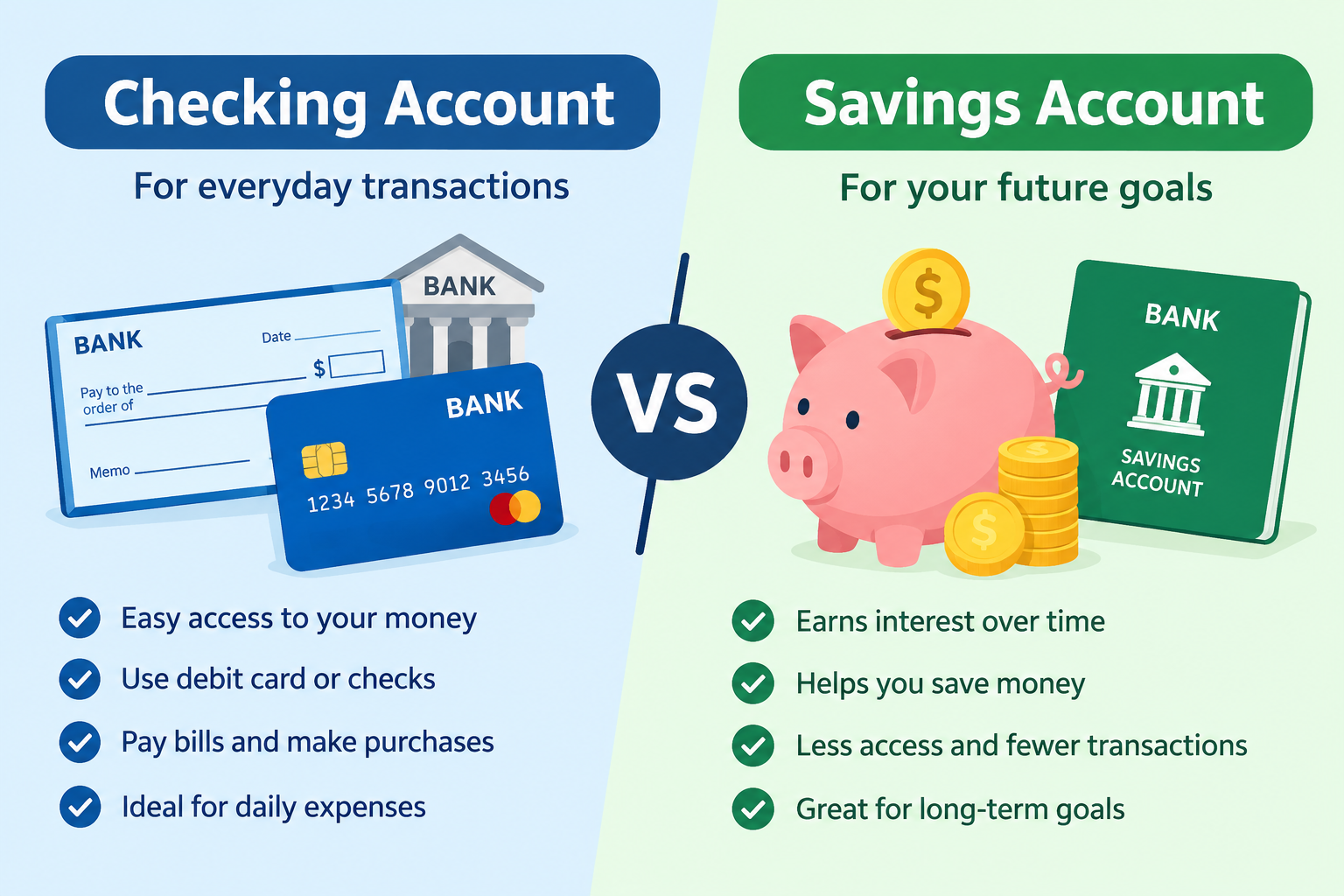
For example, someone may transfer money from a checking account to a savings account.
Internal transfers are often processed quickly because both accounts are maintained by the same financial institution.
The exact availability of funds depends on the bank.
Transfers Between Different Banks
Moving money from one bank to another can involve a different process.
Customers may need the recipient’s name, account number, routing information, or other banking details.
The transfer method determines how quickly the money arrives and whether a fee applies.
Before sending funds, customers should carefully confirm all account information.
ACH Transfers
ACH stands for Automated Clearing House.
ACH is an electronic payment network used for various types of bank-to-bank transactions.
Direct deposits and many recurring electronic payments use ACH processing.
ACH transfers are generally not instantaneous. Processing may take time depending on the transaction, financial institutions, weekends, holidays, and other factors.
Wire Transfers
Wire transfers are another method of sending money electronically.
They are commonly used when funds need to be transferred directly between financial institutions, particularly for larger or time-sensitive transactions.
Wire transfers can involve fees, and some may be difficult or impossible to reverse after processing.
Because of this, customers should verify recipient information before submitting a wire transfer.
Person-to-Person Transfers
Many banks and financial platforms offer person-to-person payment services.
These services can allow users to send money to another person using information such as a phone number, email address, username, or bank account details, depending on the service.
The availability, limits, processing times, and fees vary.
Users should verify the recipient before confirming a payment.
What Information Is Needed?
The information required depends on the transfer type.
For some transfers, customers may need:
- Recipient name
- Bank name
- Account number
- Routing information
- Transfer amount
- Recipient contact information
The bank may request additional authentication before processing the transfer.
How Long Do Transfers Take?
Transfer times vary.
Internal bank transfers can be fast.
ACH transactions may take longer because they are processed through banking networks.
Wire transfers may be processed faster depending on the bank and service.
Weekends and public holidays can also affect processing schedules.
Customers should check the bank’s stated processing time before relying on a transfer for an important payment.
Transfer Limits
Banks may place limits on online transfers.
For example, a customer may have a daily or monthly limit for certain types of transactions.
Limits can vary based on account type, transfer method, customer history, security settings, and bank policies.
If a customer needs to transfer a large amount, the bank may require additional verification.
Transfer Fees
Some online transfers are free, while others have fees.
Internal transfers are often included as part of normal banking services, while certain external or wire transfers may carry charges.
Customers should review the fee information before confirming a transaction.
Security Verification
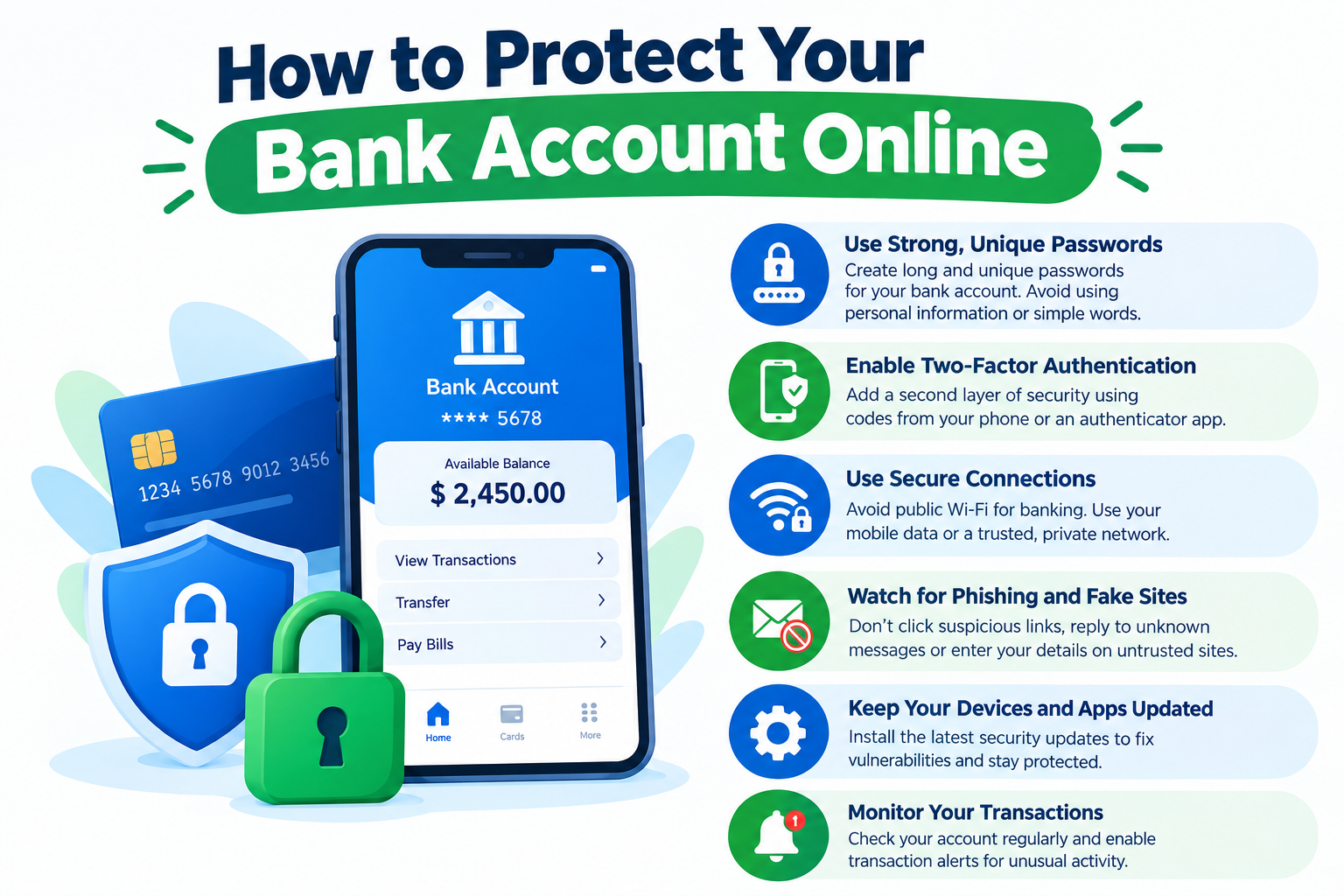
Banks use security measures to reduce unauthorized transfers.
These may include passwords, one-time verification codes, device recognition, biometric authentication, and transaction monitoring.
Customers should never share verification codes with another person.
A legitimate bank representative should not ask a customer to provide a security code in response to an unexpected message.
Common Transfer Mistakes
One of the most common mistakes is entering incorrect recipient information.
A wrong account number or other incorrect detail can cause delays or send money to the wrong destination.
Another mistake is failing to check transfer limits or fees.
Customers should also make sure sufficient funds are available before initiating the transfer.
How to Make an Online Transfer
The exact process differs between banks, but it usually follows a similar pattern.
First, log in through the bank’s official website or mobile application.
Next, select the transfer option.
Choose the account from which the money will be sent and provide the required recipient information.
Enter the amount and review the details carefully.
Complete any required security verification and confirm the transfer.
Save the confirmation information if needed.
What Happens After a Transfer Is Submitted?
After submission, the bank processes the request.
Some transfers may appear as pending before they are completed.
The recipient may not receive the money immediately, depending on the transfer type.
Customers can usually check transaction history or transfer status through online banking.
Can Online Transfers Be Canceled?
Cancellation depends on the type and status of the transfer.
Some transactions can be canceled before processing, while others may be difficult to reverse.
Wire transfers in particular should be reviewed carefully before confirmation.
If money was sent incorrectly or fraud is suspected, customers should contact the bank as soon as possible.
Protecting Yourself From Transfer Fraud
Customers should be careful when receiving unexpected requests to transfer money.
Scammers may pretend to be bank employees, businesses, government agencies, friends, or family members.
Never send money simply because someone creates urgency or threatens consequences.
Use contact information from official sources when verifying a request.
Final Thoughts
Online bank transfers provide a convenient way to move money electronically. Different methods, including internal transfers, ACH transactions, wire transfers, and person-to-person payments, have different rules and processing times.
Before making a transfer, customers should verify recipient information, check fees and limits, and understand when the funds are expected to arrive.
Using official banking applications and maintaining strong security practices can help customers manage transfers more safely.
Frequently Asked Questions
Are online bank transfers instant?
Not always. Processing time depends on the type of transfer and the financial institutions involved.
Are online bank transfers free?
Some are free, while others may have fees. Check the bank’s current fee schedule.
Can I transfer money between my checking and savings accounts?
Yes, most banks allow internal transfers between eligible accounts.
What happens if I enter the wrong account information?
Contact the bank immediately. The available options depend on the transaction status and transfer method.
Are wire transfers safe?
Banks use security measures for wire transfers, but customers should carefully verify recipient information because some transfers may be difficult to reverse.






Leave a Reply